Preventive maintenance in manufacturing is evolving from static schedules to intelligent, data-driven systems powered by AI, IoT, and cloud-based CMMS platforms. These innovations are helping manufacturers reduce downtime, extend equipment life, and improve operational efficiency.
The Future of Preventive Maintenance in Manufacturing
1. Introduction: Why Preventive Maintenance Matters
In manufacturing, equipment reliability is everything. A single machine failure can halt production, delay deliveries, and cost thousands in lost revenue. Preventive maintenance (PM) — the practice of servicing equipment before it breaks — has long been a cornerstone of operational stability. But in 2025, PM is no longer just about routine checklists; it’s about smart systems that predict, adapt, and optimize.
2. The Shift from Reactive to Predictive
Traditional PM relied on fixed schedules: change filters every 30 days, inspect motors monthly. While better than reactive repairs, this approach often led to unnecessary servicing or missed early signs of failure. Today, manufacturers are embracing predictive maintenance, using sensor data and machine learning to forecast issues before they occur.
3. IoT and Real-Time Monitoring
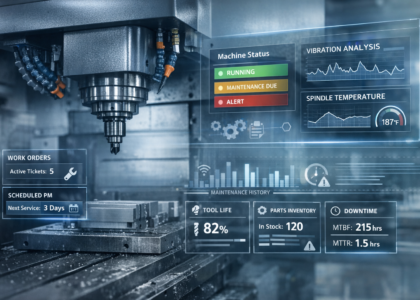
Internet of Things (IoT) devices are transforming how factories monitor equipment. Sensors track vibration, temperature, pressure, and more — feeding real-time data into centralized dashboards. This allows maintenance teams to spot anomalies instantly and intervene before a breakdown disrupts production.
4. CMMS Platforms: The Digital Backbone
Computerized Maintenance Management Systems (CMMS) are now essential. Tools like Limble CMMS, MaintainX, and UpKeep offer automated scheduling, asset tracking, mobile access, and integration with ERP systems. These platforms streamline workflows and ensure that no task slips through the cracks.
5. AI-Powered Maintenance Planning
Artificial intelligence is adding a new layer of intelligence to PM. AI engines analyze historical data, usage patterns, and environmental conditions to recommend optimal maintenance windows. This reduces over-servicing and helps allocate resources more efficiently.
6. Mobile-First Interfaces for Field Teams
Modern PM software is designed for technicians on the move. Mobile apps allow workers to log issues, update work orders, and access manuals directly from the shop floor. Platforms like MaintainX and Fiix offer offline access and built-in chat for seamless communication.
7. Integration with Digital Twins and MES
Advanced manufacturers are linking PM systems with digital twins and Manufacturing Execution Systems (MES). This creates a unified view of machine health, production performance, and maintenance history — enabling smarter decisions and faster root cause analysis.
8. Customization and Scalability
Today’s PM tools are highly customizable. Manufacturers can tailor workflows, set custom alerts, and generate reports that align with their KPIs. As operations grow, these platforms scale to support more assets, users, and locations without losing performance.
9. Training and Knowledge Retention
With experienced technicians retiring, PM software helps preserve tribal knowledge. SOPs, checklists, and historical logs are stored digitally, ensuring new hires can learn quickly and maintain consistency across shifts and sites.
10. Conclusion: Building a Resilient Future
Preventive maintenance is no longer a static routine — it’s a dynamic, intelligent system that drives uptime, safety, and profitability. By adopting modern CMMS platforms, IoT sensors, and AI-driven planning, manufacturers can future-proof their operations and stay competitive in a fast-changing landscape.
Sources: Flowdit, Limble CMMS, MaintainX