As of March 2026, the manufacturing sector; especially Aerospace and Defense is in a strange position; the demand is surging, but the system supporting it is strained. Commercial aviation is rebuilding at full speed, defense programs are expanding, and global instability is driving record procurement. Yet production output isn’t keeping pace.
Are primes pushing more work downstream?
Yes, but expectations have changed. Primes aren’t just looking for suppliers. They’re looking for execution‑ready extensions of their own factories.
Here’s what that means on the ground:
- More opportunity for niche and mid‑tier players. The DoD is widening the supplier base to reduce single‑point failures and bring in specialized capability faster.
- Commercial‑to‑Defense crossover is accelerating. Acquisition reforms have lowered barriers for companies with proven commercial tech to enter defense programs.
- A strategic window for small manufacturers. 2025–2026 is a rare moment where the DoD is actively diversifying who gets a seat at the table.
- Higher expectations across the board. Digital traceability, tighter tolerances, cybersecurity compliance, and integrated workflows are no longer “nice to have.” They’re baseline requirements.
The 2026 production landscape
Commercial backlogs for Boeing and Airbus now exceed 15,000 aircraft. That’s years of guaranteed work but the bottlenecks remain the same: forgings, subcomponents, machining capacity, and cabin structures. Shops with the right capability mix are booked out months in advance.
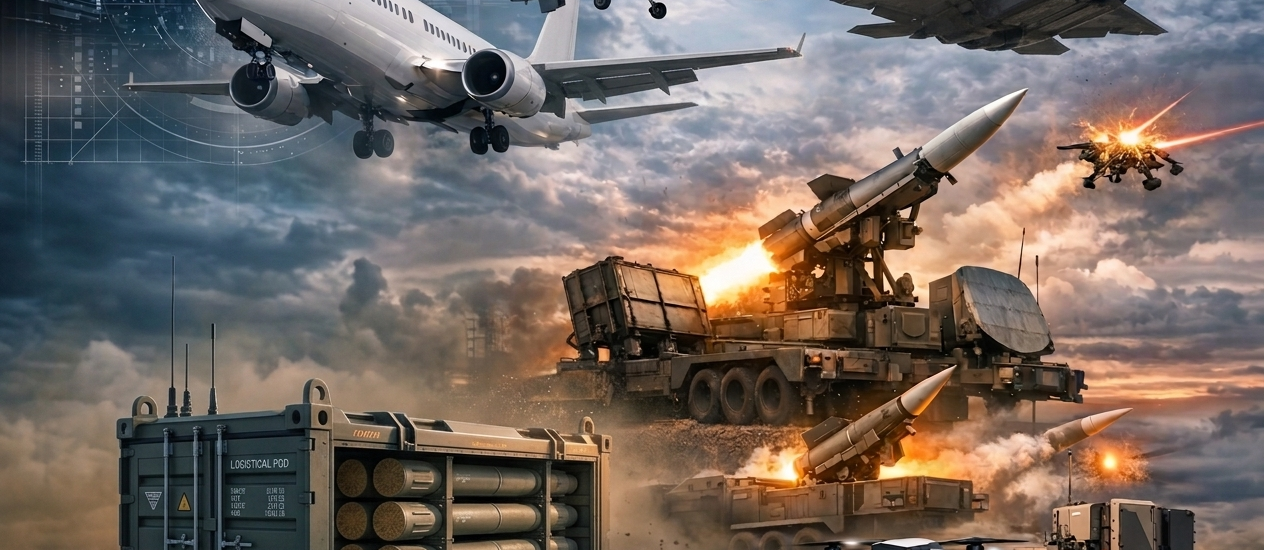
On the defense side, the FY2026 budget request surged again, driven by:
- Munitions and missile replenishment
- Autonomous and collaborative aircraft programs
- Counter‑UAS systems
- Rapid prototyping and fielding cycles
This is creating sustained demand for machining, electronics, composites, and advanced assembly.
Modernization is no longer optional
AI has moved from “pilot projects” to the production floor. In 2026, it’s being used for:
- Predictive maintenance
- Automated inspection
- Tool‑life optimization
- Scheduling and capacity modeling
- Real‑time workflow adjustments
Shops that integrate these tools are squeezing more throughput out of the same machine critical when lead times are already stretched thin.
The workforce paradox
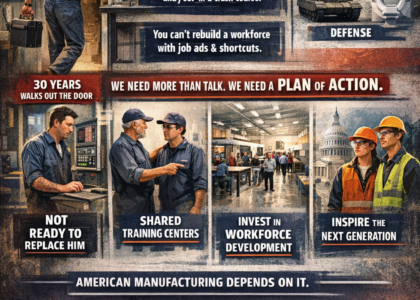
Despite the boom, the talent gap is widening. Skilled technicians, CNC operators, and maintenance specialists are retiring faster than replacements are entering the field. The global MRO sector alone is projected to need hundreds of thousands of new technicians over the next decade.
This is the real constraint not the machines, not the orders, not the budgets. It’s the people.
The shops that win in this environment will be the ones that modernize their workflows, document their processes, and build teams capable of running both legacy equipment and next‑generation systems.
What’s the most overlooked constraint in your corner of manufacturing right now and how are you navigating it?