I’ve spent years in aerospace and defense as a CNC machinist and programmer, working hands-on with machine tools at every stage of their life cycle. I’ve worked in small and large shops, installed new CNC equipment, maintained aging machines long after parts became scarce, and trained new operators on fundamentals and programming. From every angle, one reality stands out: the workforce is aging out, and the knowledge gap is widening faster than most realize.
Most machine shops I’ve worked in have fewer than 20 employees. Many are run by owner-operators in their 60s who’ve built decades of expertise. They instinctively understand speeds and feeds, solid workholding, machine rigidity, and tool selection. When they retire, that practical judgment retires with them and that’s the real vulnerability.
From reading reports nearly half the workforce has 10+ years of experience, yet 92% of shops struggle to hire skilled workers, and fewer than half offer structured training. At the same time, aerospace and defense demand continues to rise, and primes already face supply constraints. Technology isn’t slowing down either.
After years attending and working trade shows like IMTS and Westec, I’ve seen how quickly controls, automation, probing, and software evolve. Shops that invest and adapt stay competitive. Those that don’t fall behind fast.
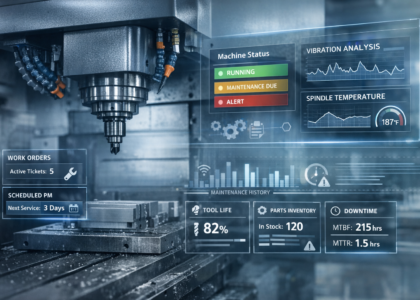
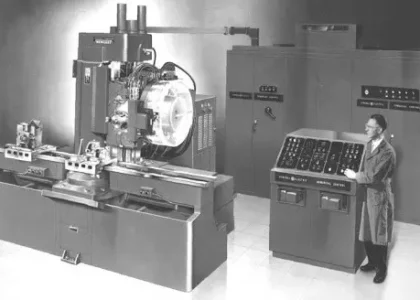
Maintenance is another pressure point. As machines age, parts become harder to source, and fewer technicians understand legacy controls. Keeping older equipment running is increasingly a full-time challenge — especially as experienced troubleshooters retire. That’s why automation, standardization, and scalable processes matter. Not to replace machinists, but to build systems that don’t collapse when one expert leaves.
Modern processes make training faster, workflows clearer, and production more resilient. I’ve seen how much tribal knowledge keeps shops running. If we don’t modernize and build real training pipelines now, the retirement wave will hit harder than most expect.
The future of manufacturing depends on what we do today — not years from now when the expertise gap becomes impossible to ignore.
About the Author