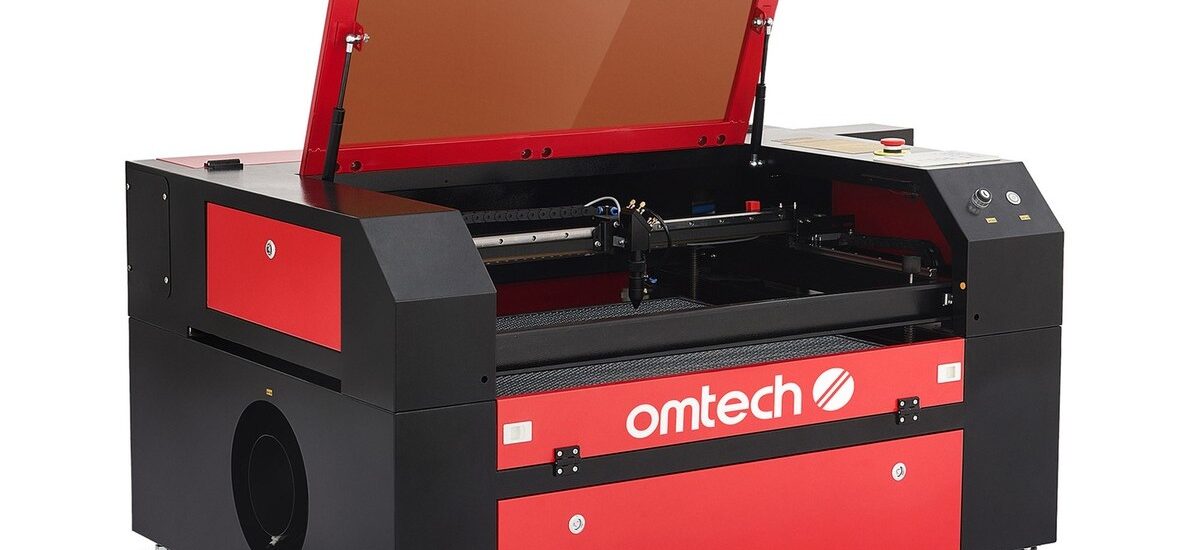
Diagnosing CO₂ Laser Failures: A Forensic Approach to Air Assist, Optics, and Controller Issues
When a CO₂ laser fails mid-project, it’s more than an inconvenience—it’s a forensic puzzle. Whether you’re running a production shop or a home-based prototyping lab, knowing how to systematically diagnose and resolve issues can save hours of downtime and protect your investment. In this post, I’ll walk through the modular approach I use to troubleshoot CO₂ laser systems, with a focus on air assist, optics alignment, and controller diagnostics.
1. Start with the Symptoms, Not the Assumptions
Before diving into the machine, document what’s happening. Is the beam weak? Is the cut inconsistent? Is there smoke buildup or unexpected charring? These symptoms help isolate the subsystem at fault—whether it’s airflow, optics, or electrical. This is the first step in any effective CO₂ laser diagnostics workflow.
2. Air Assist Troubleshooting: The Silent Saboteur
Air assist is often overlooked, yet it plays a critical role in cut quality and lens protection. A clogged nozzle, kinked airline, or underpowered compressor can lead to smoky cuts and lens contamination. If you hear sputtering or see smoke lingering, your air assist system needs attention.
3. Optics Alignment: Precision or Peril
Misaligned mirrors or a dirty lens can reduce beam power by 30–50%. I use a three-point burn test at each mirror junction to confirm beam centering. If the beam drifts or flares, I adjust mirror angles incrementally. Clean optics and precise alignment are non-negotiable for consistent output.
4. Chiller and Tube Health: The Thermal Backbone
A failing chiller or air-cooled system can cause thermal drift, leading to inconsistent power output. I try to take a look coolant temperatures before and after a job run and check for flow rate consistency. If the tube is aging or the coolant is stagnant, expect erratic behavior and premature wear.
5. Controller Diagnostics: When the Brain Misfires
If your laser head moves but doesn’t fire, or if job files corrupt mid-run, the controller may be at fault. I check for firmware mismatches, loose ribbon cables, and static discharge damage. A full power cycle and cable reseat often reveal hidden issues.
6. Modular Isolation: One Subsystem at a Time
The key to effective diagnostics is modular thinking. I isolate each subsystem—air, optics, motion, power—and test independently. This reduces guesswork and builds a repeatable troubleshooting framework. It also makes it easier to document and replicate fixes later.
7. Document Everything: The Audit Trail Advantage
Every adjustment I make is logged—mirror tweaks, airflow readings, controller resets. This not only helps with future issues but also builds trust when sharing fixes with clients or collaborators. A simple spreadsheet or notebook can become your most valuable tool.
8. Real-World Case Study: The Vanishing Beam
I once diagnosed a “no beam” issue that turned out to be a cracked third mirror—barely visible to the eye. A quick burn test at the mirror junction revealed the problem in minutes. It’s a reminder that even small defects can mimic major failures.
9. Why This Matters for Makers and Manufacturers
Whether you’re cutting acrylic for signage or engraving anodized aluminum, uptime matters. A modular, documented approach to CO₂ laser diagnostics not only saves time but also extends the life of your equipment. It’s a mindset that blends engineering rigor with practical repair skills.
10. Final Thoughts: Build Your Own Diagnostic Playbook
If you’re serious about laser work, build your own playbook. Start with air assist troubleshooting, master optics alignment, and learn your controller’s quirks. Document every fix. Over time, you’ll not only reduce downtime—you’ll become the person others call when their laser goes dark.